
Top Waterproofing Products for Long-Lasting Protection
Explore the leading waterproofing solutions designed to safeguard your property from moisture and water damage effectively.
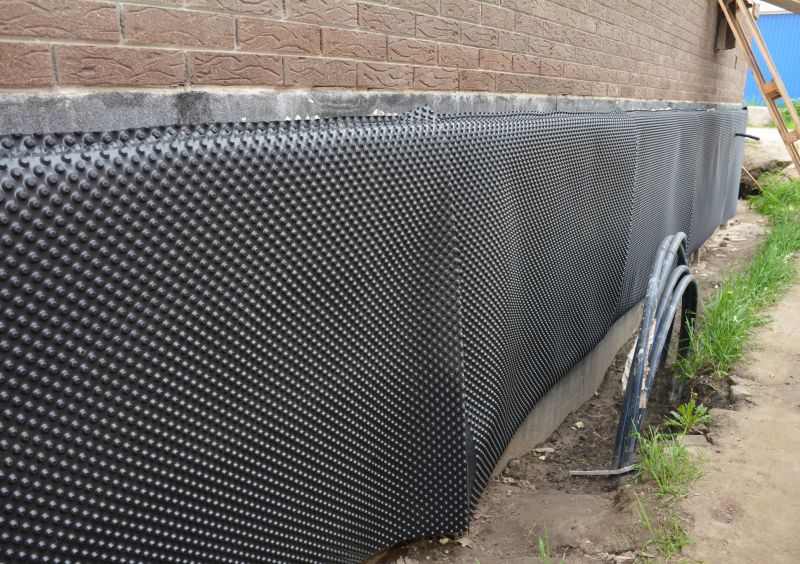 Waterproofing products play a crucial role in protecting various surfaces from water intrusion, which can lead to structural damage, mold growth, and deterioration over time. Whether for residential, commercial, or industrial applications, selecting the right waterproofing solution depends on the specific needs of the project, the type of surface, and environmental conditions. From foundations and basements to roofs and decks, a diverse range of products is available to address different waterproofing challenges. Proper application and maintenance are essential to maximize the effectiveness of these products and ensure long-lasting protection.
Top Overall Option
Fluid-Applied Waterproofing Membrane
A versatile fluid-applied waterproofing membrane offers seamless coverage, conforming to complex surface contours and creating a continuous barrier against water intrusion. Suitable for foundations, roofs, and decks, this type of product is easy to apply with brushes, rollers, or spray equipment, making it a popular choice for many projects. Its ability to adhere well to various substrates and its flexibility to accommodate surface movements contribute to its effectiveness. Proper surface preparation and application are essential to ensure optimal performance and durability over time.
Types of Products For Waterproofings
Liquid Rubber Coatings
Flexible and durable, liquid rubber coatings form a seamless waterproof layer ideal for roofs, basements, and ponds. They can be applied with brushes or rollers and typically cure to a rubber-like finish.
Bituminous Membranes
Self-adhesive or torch-applied bituminous membranes are commonly used for roofing and below-grade waterproofing, providing a robust barrier against water penetration.
Polyurethane Sealants
Polyurethane sealants are used to fill joints and cracks, offering flexibility and adhesion to various surfaces in waterproofing applications.
Cementitious Waterproof Coatings
These coatings are applied directly to concrete surfaces and are suitable for basements and tunnels, providing a breathable yet water-resistant barrier.
Waterproofing Paints
Specialized paints formulated with waterproofing agents can be applied to walls and ceilings to prevent moisture ingress and mold growth.
Sheet Membranes
Pre-formed sheet membranes, often made of rubber or plastic, are used in foundation and roofing projects for their ease of installation and reliable waterproofing.
Crystalline Waterproofing
This treatment involves applying a crystalline compound that penetrates concrete, creating a chemical barrier against water ingress.
Hydrophobic Sealants
Sealants that repel water and prevent moisture penetration, suitable for sealing cracks and joints in various surfaces.
Spray-On Waterproof Coatings
These coatings are applied via spray equipment, providing quick coverage for large surfaces such as roofs and decks.
Epoxy Waterproof Coatings
Epoxy-based coatings offer chemical resistance and strong adhesion, often used in industrial settings or areas exposed to chemicals.
Polyurea Coatings
Known for rapid curing and high durability, polyurea coatings are used in demanding waterproofing applications like tunnels and bridges.
Flexible Waterproofing Membranes
These membranes accommodate surface movements, making them suitable for areas prone to expansion and contraction.
Resin-Based Waterproof Coatings
Resin coatings provide a hard, protective barrier suitable for industrial floors and concrete structures.
Rubberized Asphalt Coatings
These coatings combine asphalt and rubber to create a waterproof, elastic layer ideal for roofing and foundation sealing.
Popular Choices
A popular choice for versatile waterproofing applications, offering seamless coverage and flexibility.
Widely used for roofing and below-grade waterproofing, valued for durability and ease of installation.
Commonly selected for sealing joints and cracks, providing flexibility and adhesion.
Preferred for concrete surfaces in basements and tunnels, offering a breathable water-resistant layer.
Easy to apply on walls and ceilings, these paints help prevent moisture penetration.
Pre-formed membranes used in foundation and roofing projects for reliable waterproofing.
A penetrating treatment that creates a chemical barrier inside concrete structures.
Sealants that repel water, ideal for sealing cracks and joints.
Quick and effective for large surface areas like roofs and decks.
Suitable for industrial applications requiring chemical resistance and strong adhesion.
Known for rapid curing and high durability, used in demanding waterproofing projects.
Ideal for areas with surface movement, such as expansion joints.
Provide a durable, chemical-resistant barrier for industrial surfaces.
In the realm of waterproofing, understanding the various product types and their appropriate uses can greatly influence the success of any waterproofing project. Some products are designed for interior use, providing moisture barriers within walls and floors, while others are formulated for exterior applications, creating durable seals on building exteriors. Additionally, specialized products like sealants, coatings, membranes, and primers serve distinct purposes, each contributing to a comprehensive waterproofing system. Selecting products that are compatible with each other and suited to the specific surface conditions is vital for achieving optimal results.
Proper preparation of surfaces before application, along with adherence to manufacturer instructions, can significantly impact the longevity of waterproofing solutions. Regular inspections and maintenance can help identify potential issues early, preventing costly repairs down the line. As technology advances, newer formulations and application methods continue to emerge, offering improved ease of use and performance. Consulting with waterproofing professionals or suppliers can provide valuable insights tailored to local conditions in Martinsville, IN, ensuring the chosen products meet the demands of the environment and structure.
Key Buying Considerations
- Identify the specific surface and environmental conditions to determine suitable waterproofing products.
- Consider the compatibility of the product with existing materials and coatings.
- Evaluate the product’s flexibility and ability to accommodate surface movements or cracks.
- Check the curing time and ease of application to fit project timelines.
- Assess the durability and lifespan expectations based on the application environment.
- Ensure proper surface preparation to maximize adhesion and effectiveness.
- Review manufacturer instructions and recommended maintenance procedures.
- Determine if the product is suitable for interior, exterior, or both applications.
- Consider the product’s resistance to UV rays, chemicals, and weathering if exposed outdoors.
- Evaluate the cost-effectiveness relative to the project scope and longevity.
- Look for products with proven adhesion to the specific substrate material.
- Check for compatibility with other waterproofing or finishing products planned for use.
- Assess the ease of repair or touch-up in case of damage or wear.
- Verify the product’s compliance with local building codes and standards.
- Consider professional installation requirements or if DIY application is feasible.